UKRJ S2 Ep 11 On to Hellifield

On to Hellifield  –  UK Rail Journeys Series 2  –    Episode 11

In ‘On to Hellifield‘ I continue my journey from Leeds to Carlisle. We travel from West Yorkshire into North Yorkshire.

Please click on a thumbnail to see the photographs that go with the podcast:
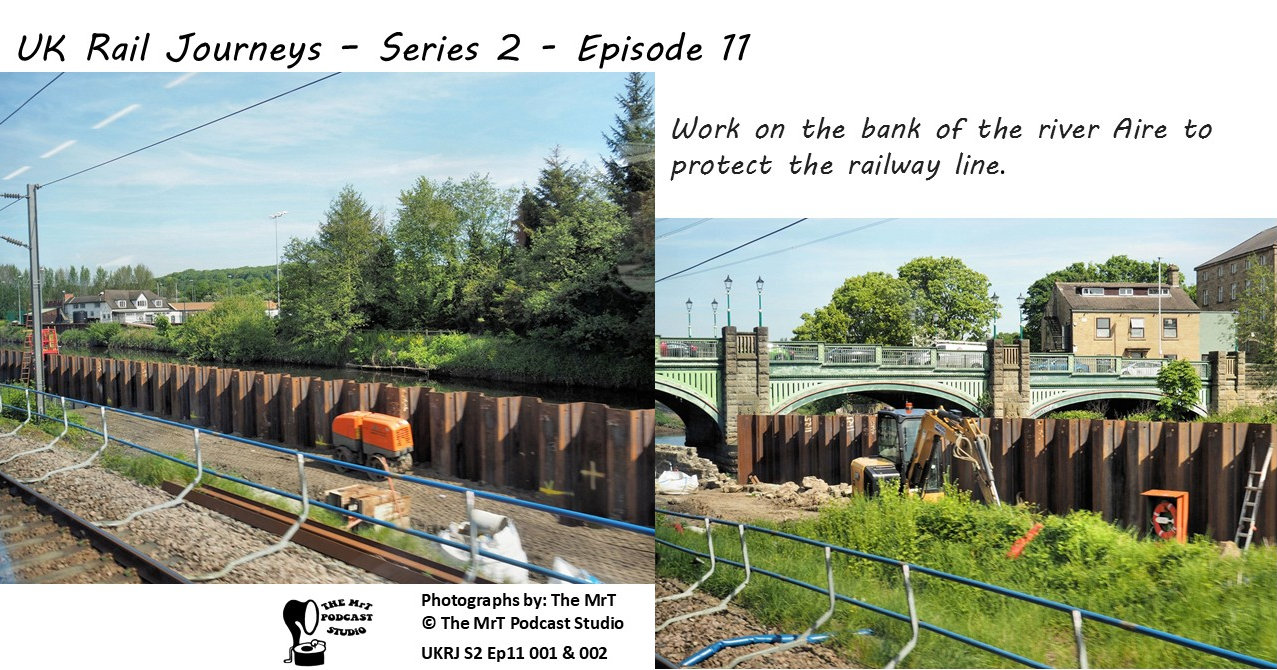
Apperley Bridge:

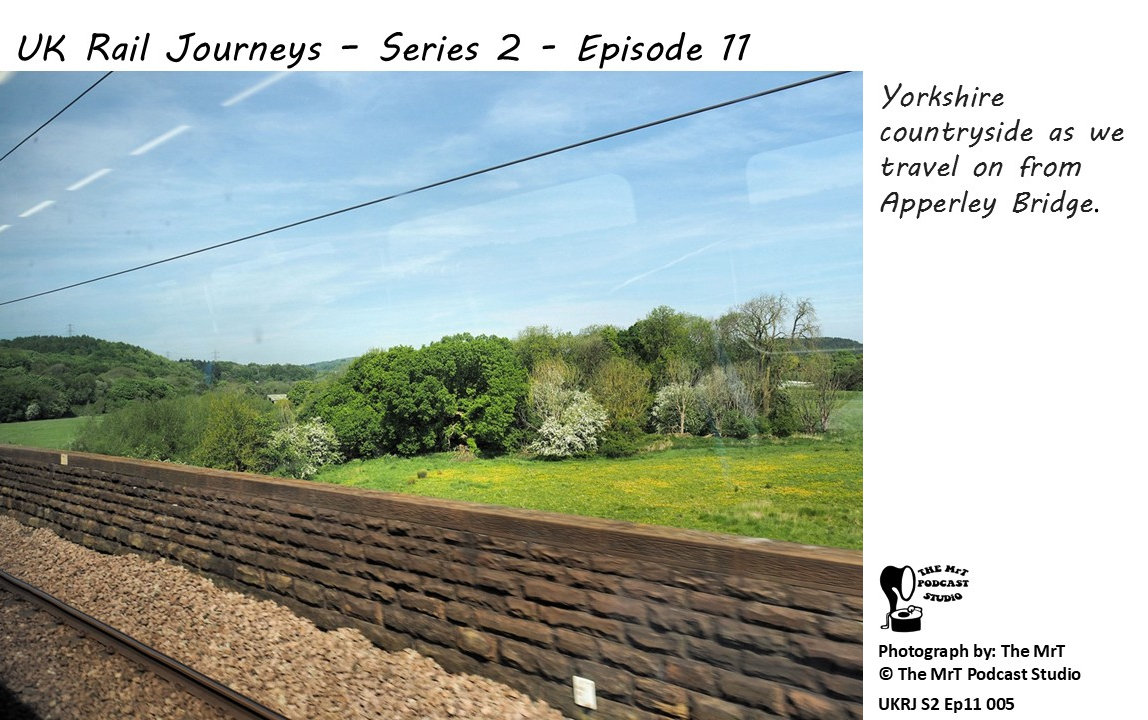
Just before Apperley Bridge station we pass Woodhouse Grove School which has around 1,000 pupils. It was founded by Methodist theologian Adam Clarke and the Wesleyan Conference.

2015 sees Apperley Bridge station open on a different site from the old one. The old station closed in 1965 as part of the Beeching Axe.

363,000 passengers use Apperley Bridge station in 2022 / 23.

Almost immediately we pass the large Esholt Sewage Works. In 1906 Bradford Corporation buys the site and builds the works. It deals with  the growing population’s sewage and waste chemicals and grease from the textile trade.

Shipley Station:

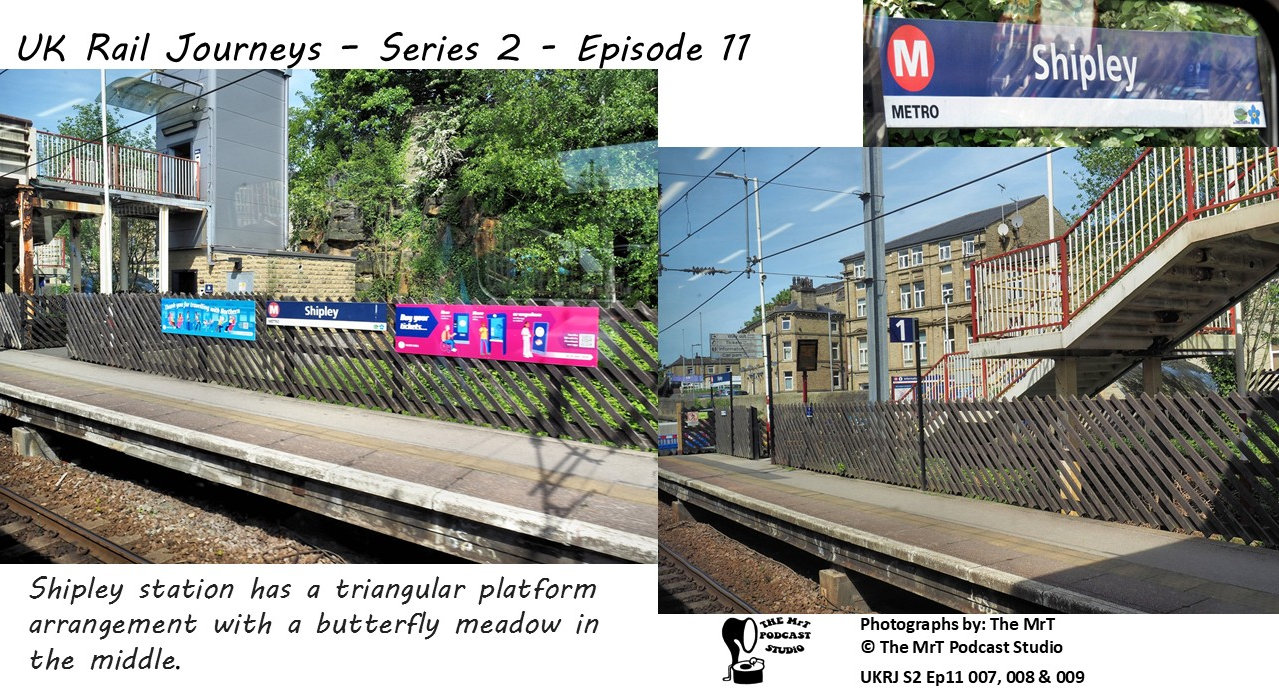
Shipley station is on a triangle, actually a Wye. It can be used to turn loco hauled trains. The triangle has confused passengers over the years. Trains to Leeds, Bradford and Skipton can leave from two different platforms. In addition more than one train to a destination can be in the station at the same time. Apparently there is only one other triangular station in Britain.

It is a commuter station. In 2022 / 23, 1,107,000 passengers use it.

Bingley:

Grade II listed Bingley station hosts 920,000 passengers in 2022 / 23.

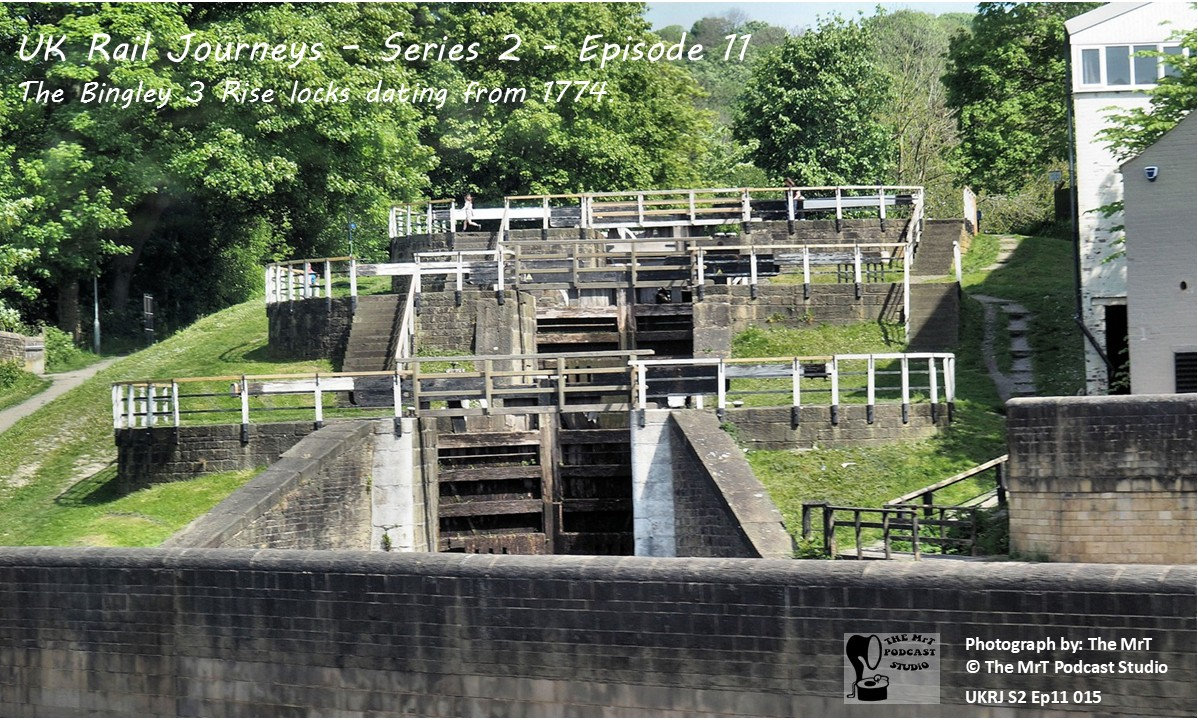
It is near the Three Rise Locks on the Leeds and Liverpool Canal and dates from July 1892. Sadly, the Five Rise Locks, the steepest flight of locks in the United Kingdom, is behind trees.

And on to Hellifield:

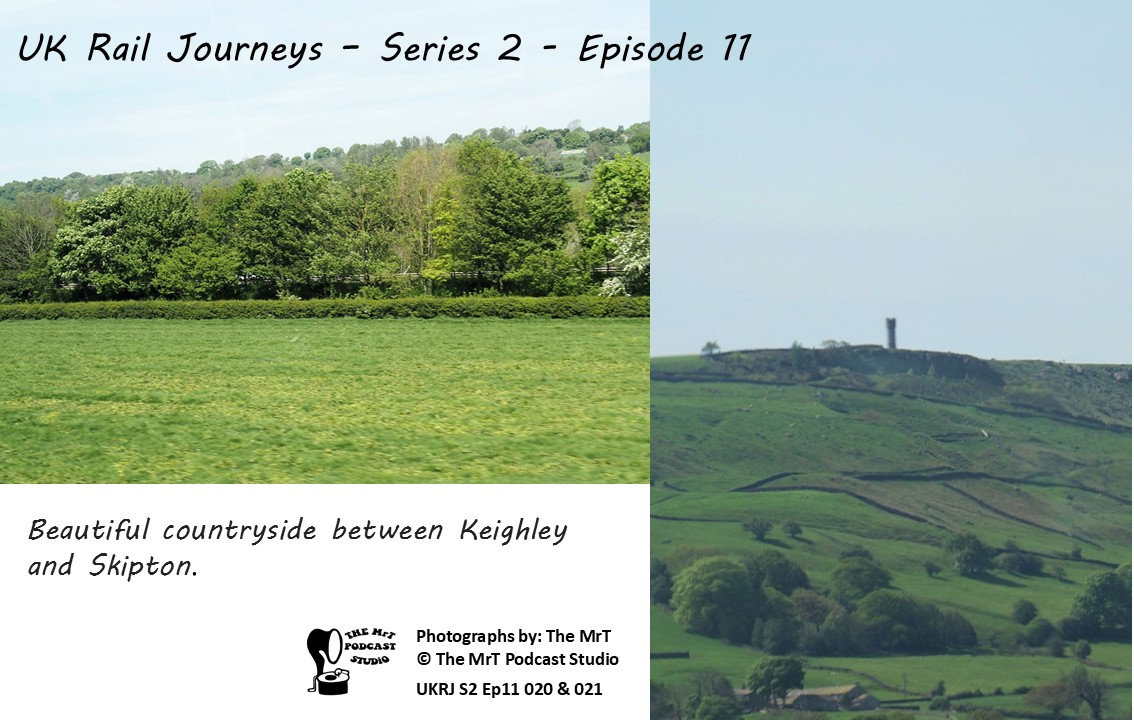
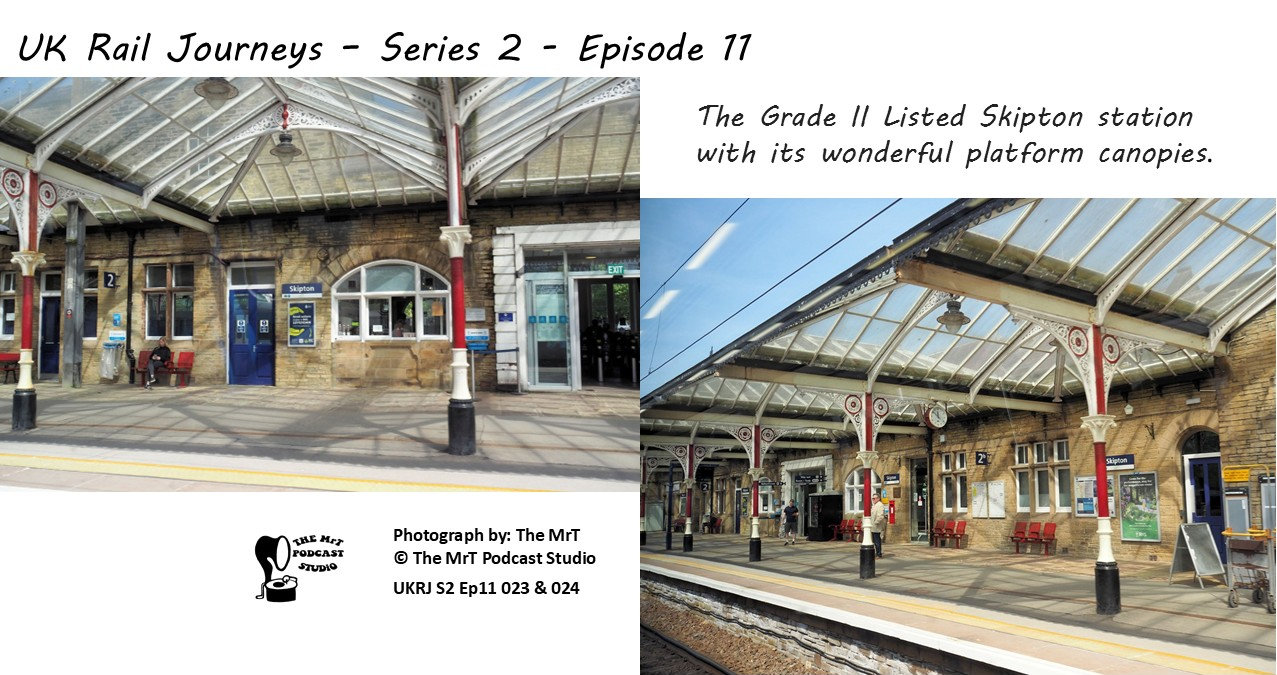
We pass through Keighley, Skipton and Gargrave before we reach Hellifield.

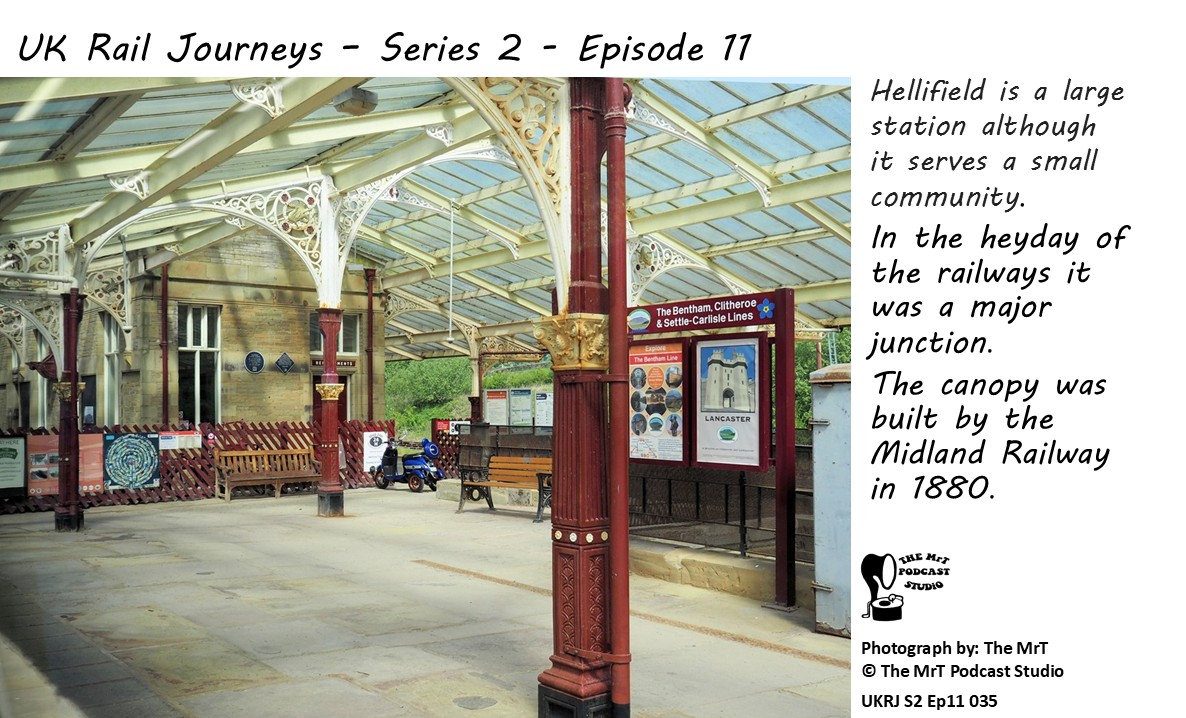
Like Trent and Normanton, Hellifield was at a railway crossroads. In the early 20th Century around sixty per cent of the village work on the railway. A busy time with ninety passenger trains each day and, each year, nearly 200,000 goods wagons passing through the sidings.

My recent visits to Hellifield are with the Railway Touring Company’s Cumbrian Mountain Expresses which take on water in a siding at Hellifield. We then take the Lancashire line through Blackburn and on to Preston.

Listen to the podcast to hear about my journey from towards Hellifield.

This podcast is also available through Amazon MusicApple PodcastsCastbox, PodchaserSpotify, YouTube and others.

Music:

AKM Music licenses Steam Railway and Presentation Corporate for use in this podcast.

TH2024 12 Electricity

Season 2024 – Talk 12 – The Wonders of Electricity

In ‘The Wonders of Electricity’ Andrew Cole looks at the history of electricity from it’s earliest days and the effect it has had on life.

Introduction:

We take electricity for granted. You can’t see it, you can’t smell it and you can’t hear it, but you’d be most unwise to touch it, let alone taste it. Electricity is essential for much that we do in our modern daily lives.

Early days:

Cragside, in Northumberland, is the first house in the world to have electric lighting. William Armstrong, the industrialist, installs it after a lecture by Joseph Swan of light bulb fame. Initially there are 45 lamps; however a maximum of 37 can be on at the same time. More lights cause the generator, fed by hydropower, to cut out.

At this time electricity competes with gas and candles for lighting. There is no source of public electricity so it is the preserve of the wealthy, with a light bulb costing the same as the average weekly wage.

Following Cragside’s lead, electricity comes to the London law courts, the Savoy Theatre and the ballroom at Buckingham Palace.

Queen Victoria is impressed. She orders that the whole palace is to have electric light.

The birth of public electricity:

Godalming may have few claims to fame, but this is one of them. As towns and cities start to introduce electric street lighting, Godalming council decides to allow lighting for both the street and private houses from a single generator. The switch on, in September 1881, is heralded in the press.

The battle with other power sources:

Electricity has to compete with coal and gas to gain acceptance in the home. Andrew tells of the long campaign by using various household items as examples.

Listen to Andrew tell us the full story of the growth of electricity over the past 170 years.

About this podcast:

This is an edited recording of a talk given to the Farnham u3a World History: Ancient, Medieval and Modern  Group.

This podcast is also available through Amazon MusicApple PodcastsCastbox, PodchaserSpotify, YouTube and others.

AKM Music licenses Media Magazine for use with this talk.

© The MrT Podcast Studio and Farnham u3a World History: Ancient, Medieval and Modern Group 2018 – 2025

UKRJ S2 Ep 10 Leeds to Kirkstall Forge

Leeds to Kirkstall Forge – UK Rail Journeys Series 2 – Episode 10

In ‘Leeds to Kirkstall Forge‘ I spend time in City Square in Leeds. It is Sunday morning and although the hospitality venues are already busy the square is virtually traffic free. A big change from when I was at University here.

Please click on a thumbnail to see the photographs that go with the podcast:

The Queens Hotel:

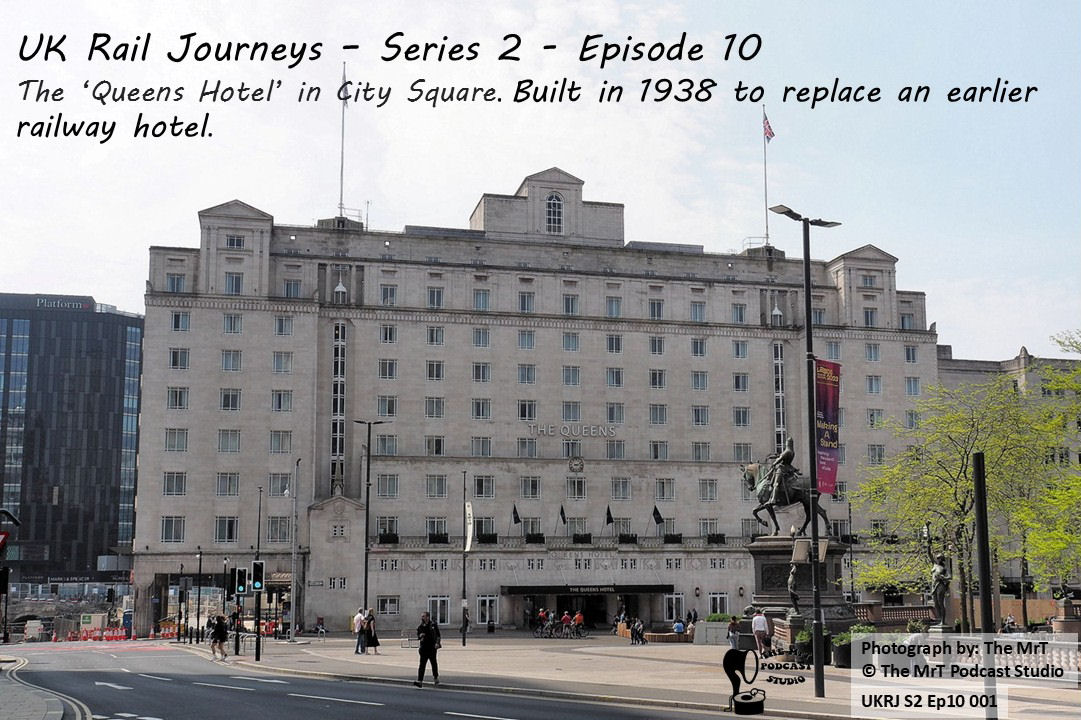
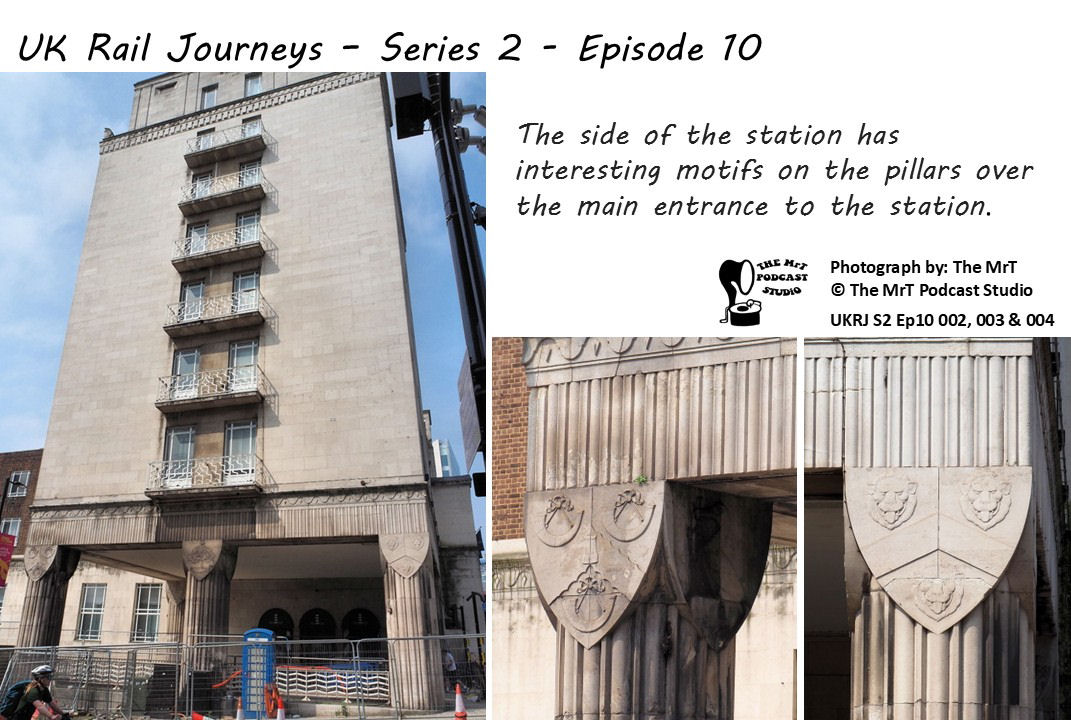
The Queens Hotel dominates one side of City Square. The front of the hotel is in Portland stone. The Art Deco style building has a Grade II listing.

I have happy memories of my time working in the hotel kitchen stores and wine cellar as a student.

Leeds City Station:

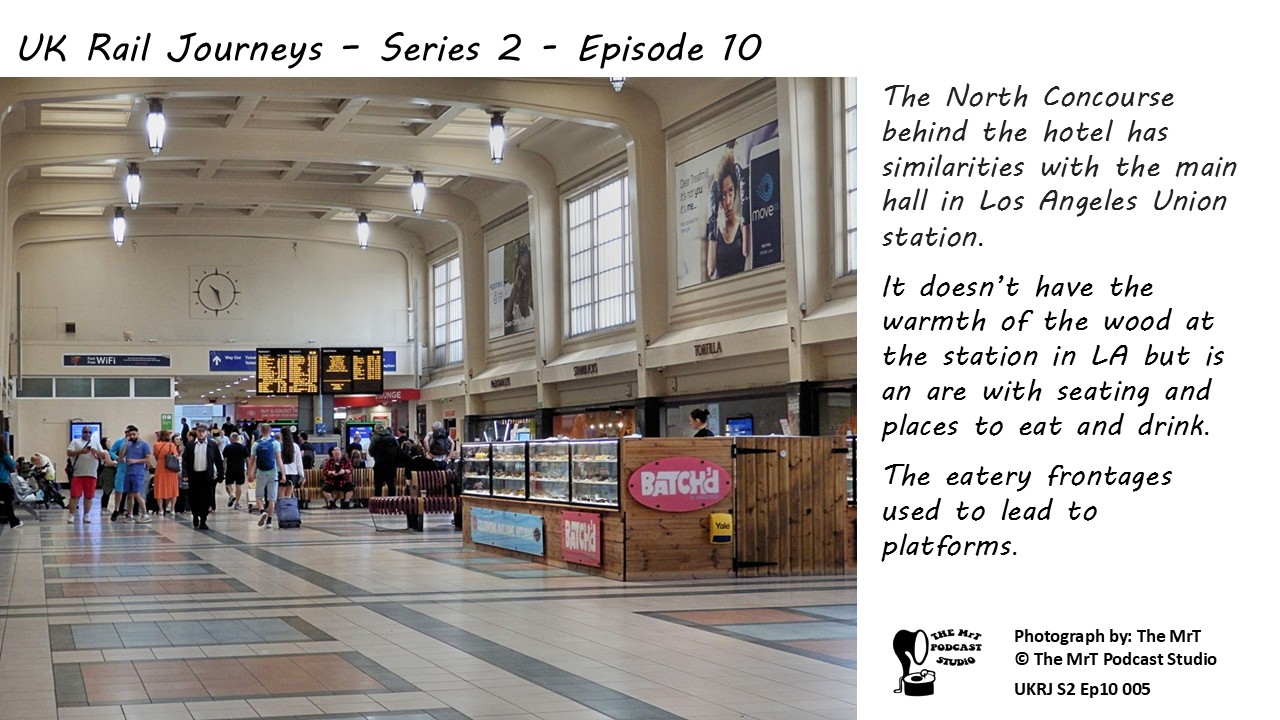
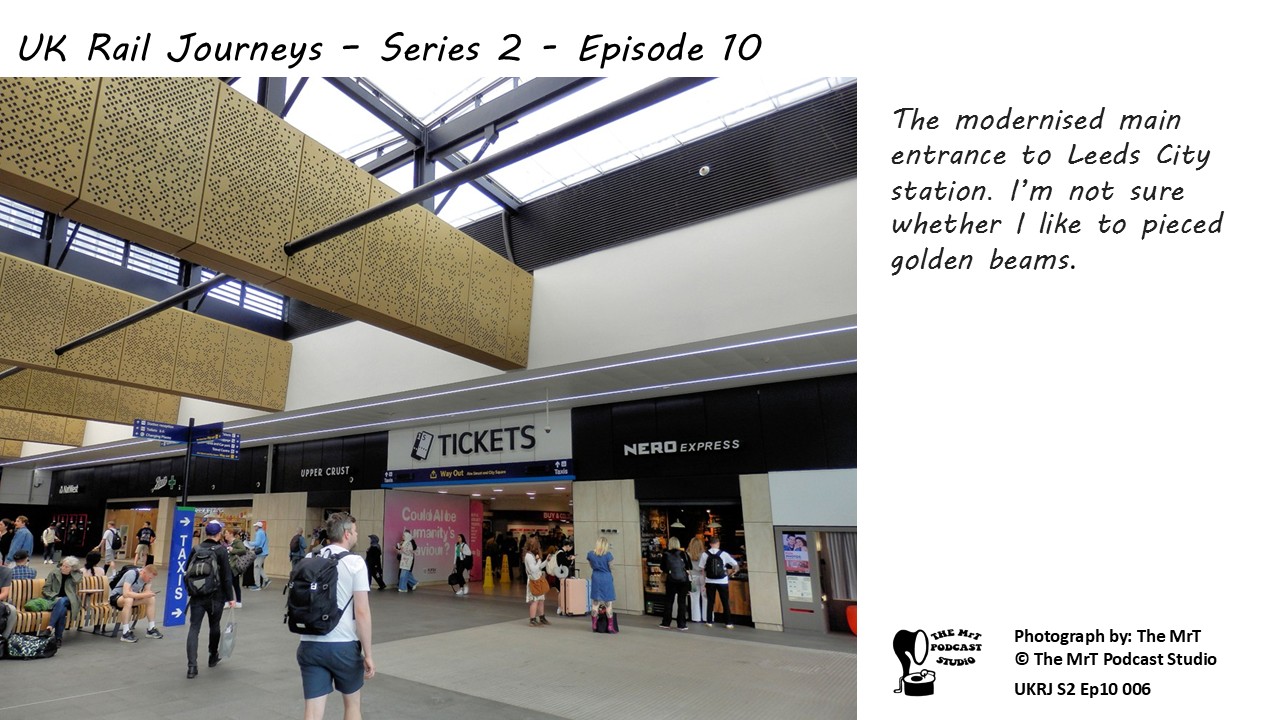
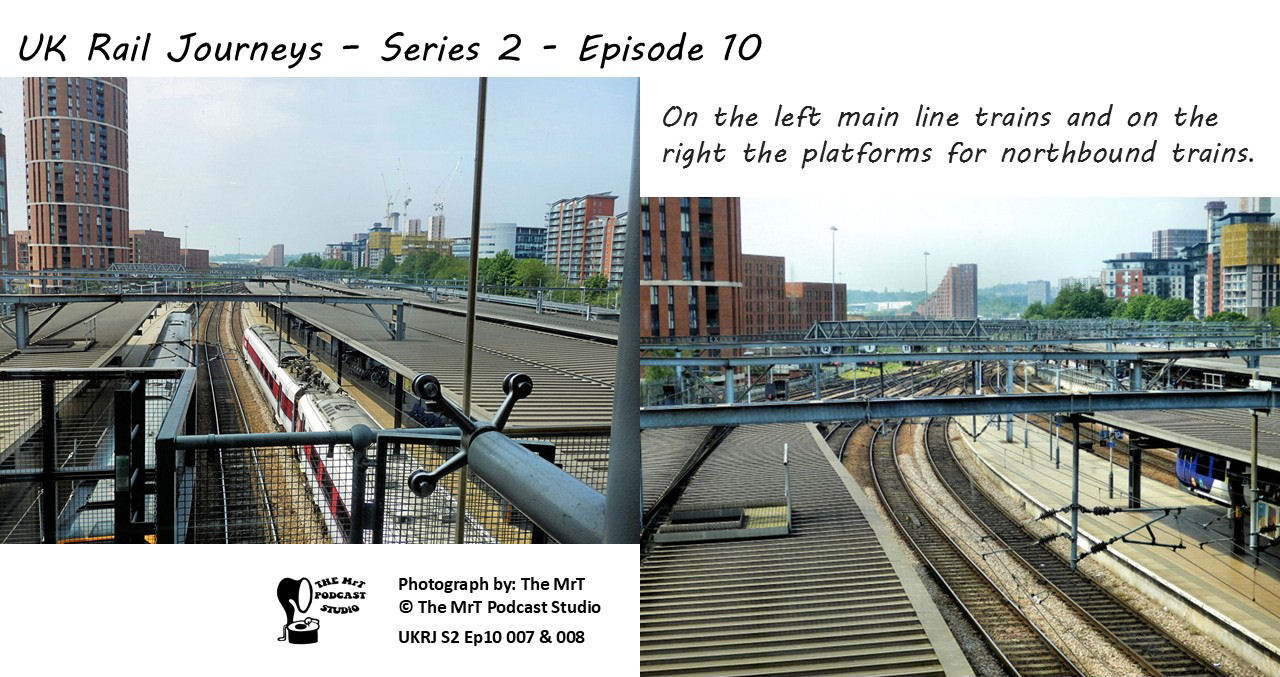
I enter the station from Aire Street on the west side of the station into the North Concourse. This entrance, behind the Queens Hotel, is much easier to use than the main entrance because of major construction work.

The station is one of the 20 managed by Network Rail and serves around 25 million passengers a year. There are 18 platforms and many food and beverage outlets.

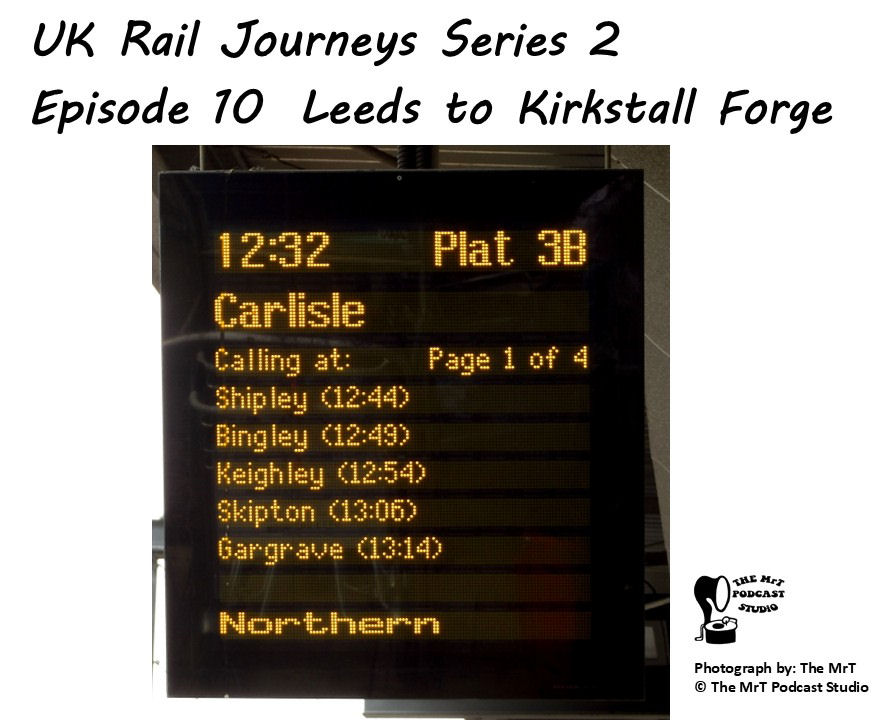
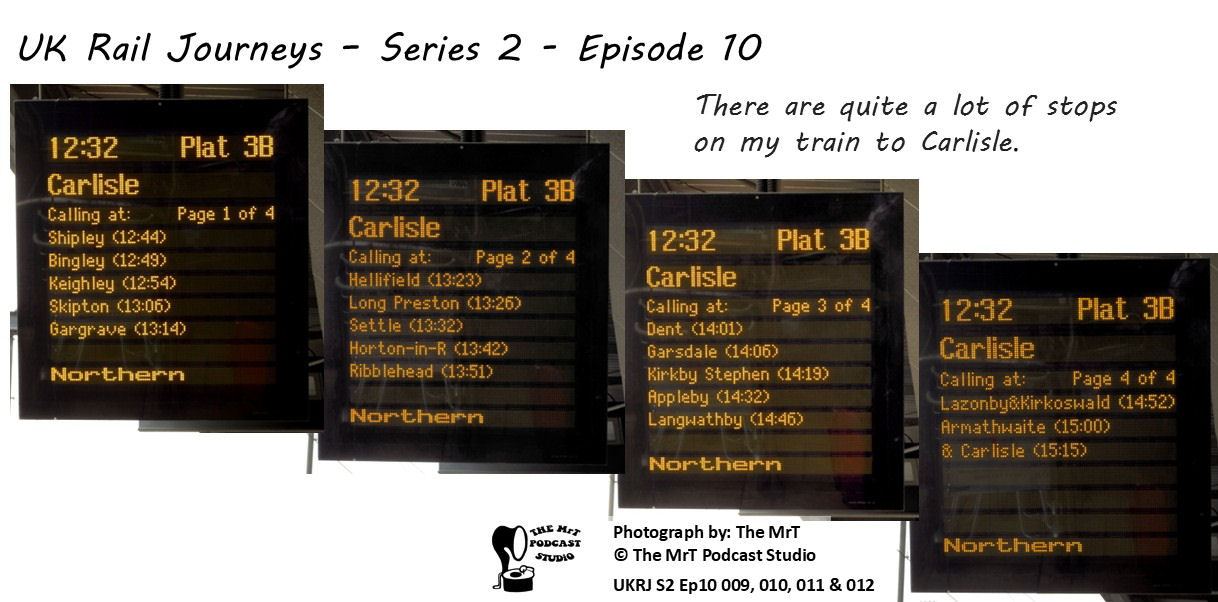
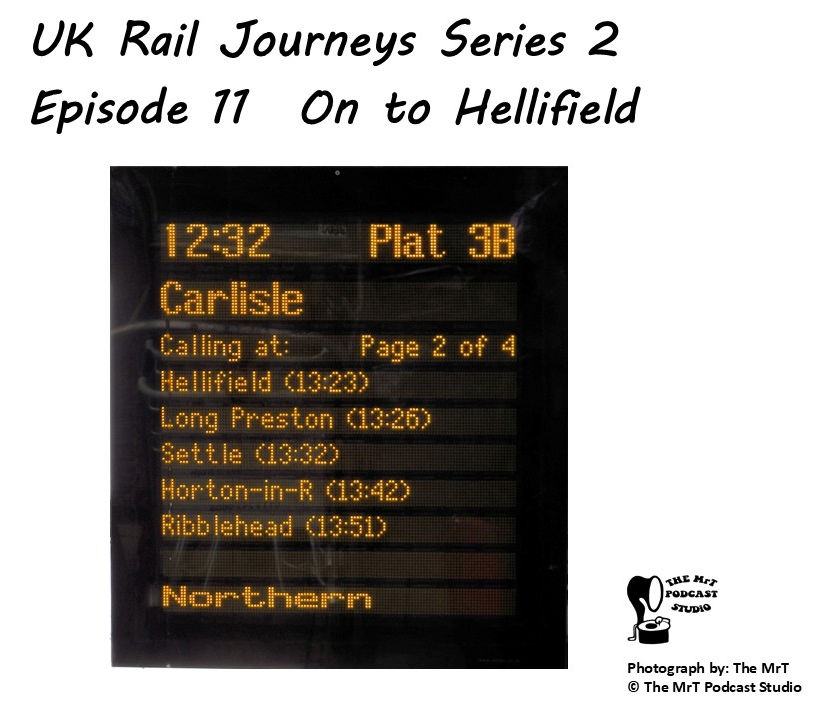
My train leaves at 12.32 pm from platform 3B which is on the site of the old Wellington Street station. Carlisle is the 18th stop on the 2 hour and 45 minute journey from Leeds. We are travelling over the famed Settle and Carlisle route.

Roundhouse:

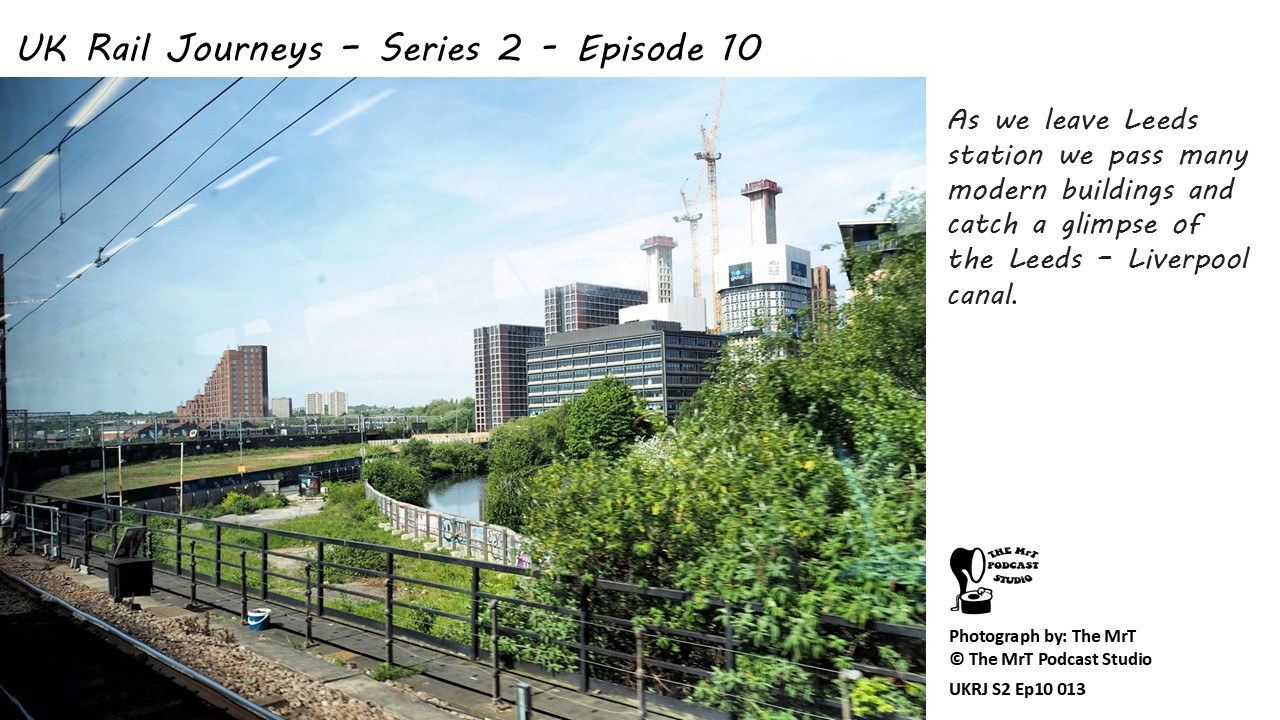
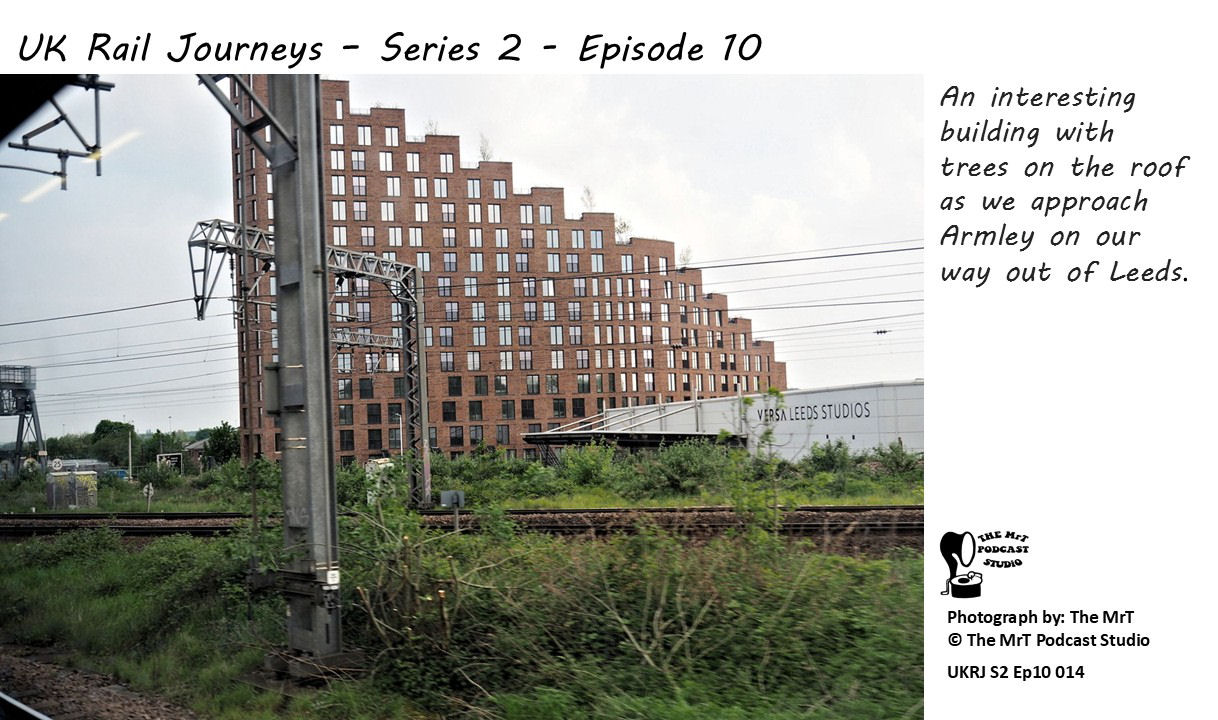
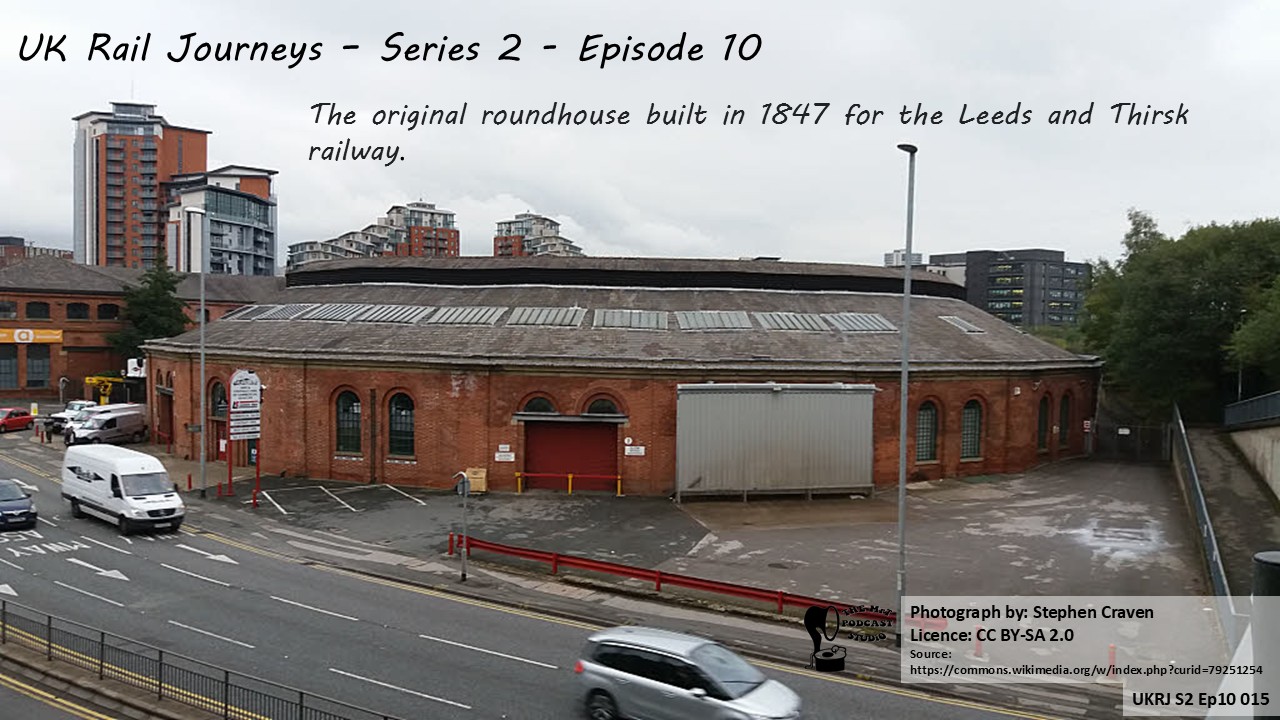
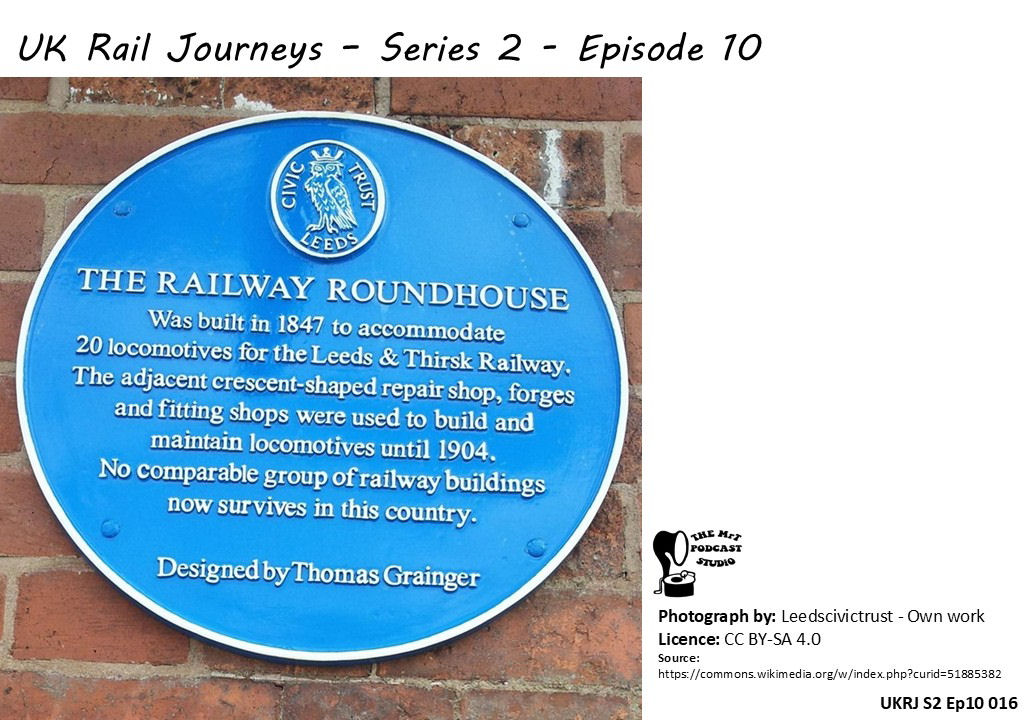
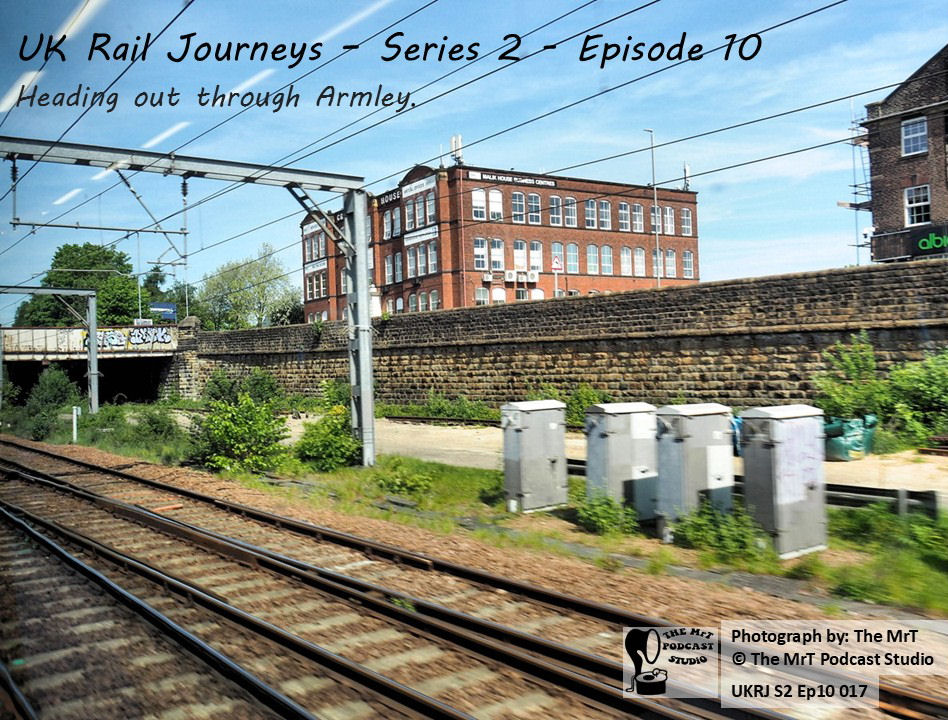
As we approach Armley we pass the ‘Railway Roundhouse‘ built for the Leeds and Thirsk railway in 1847. In use until 1904, there is no comparable group of railway buildings still standing in the country.

Kirkstall:

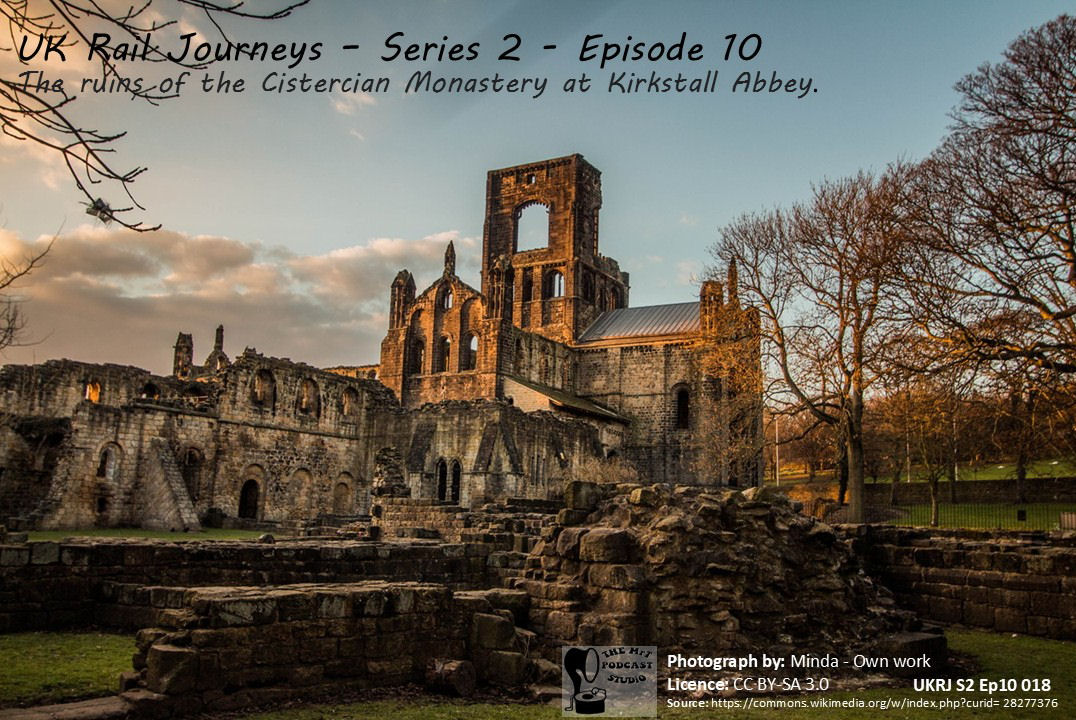
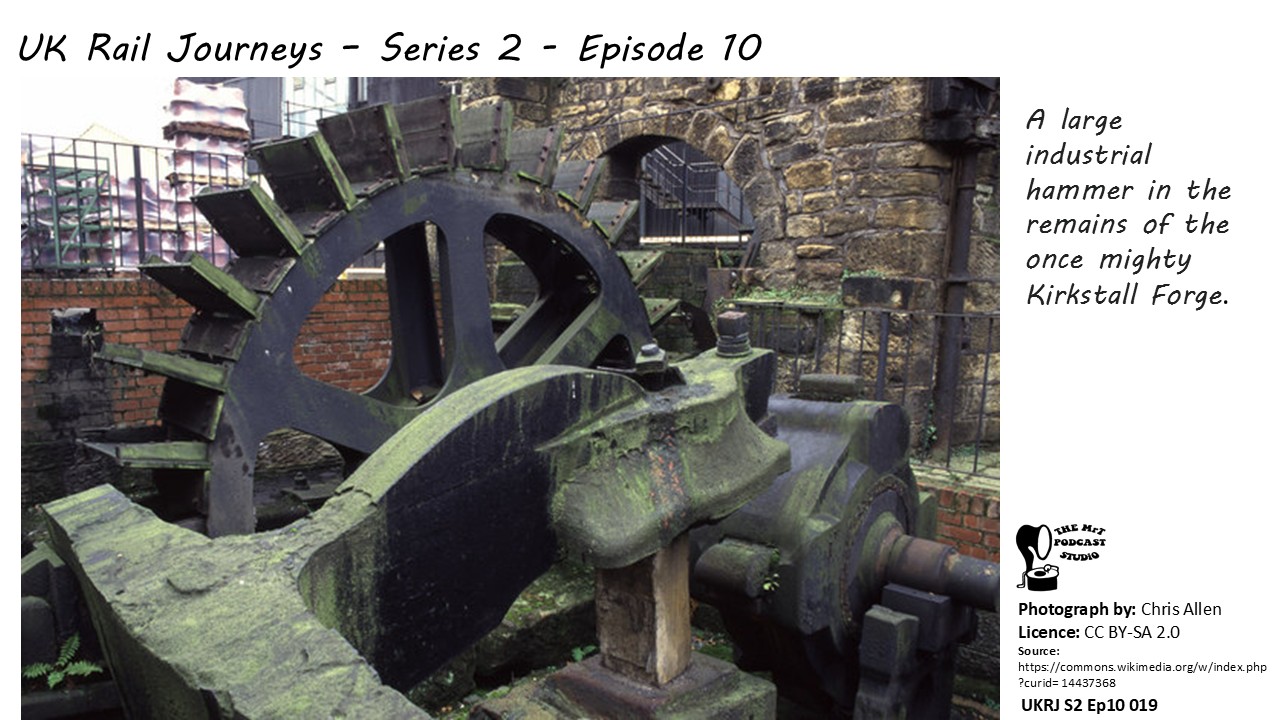
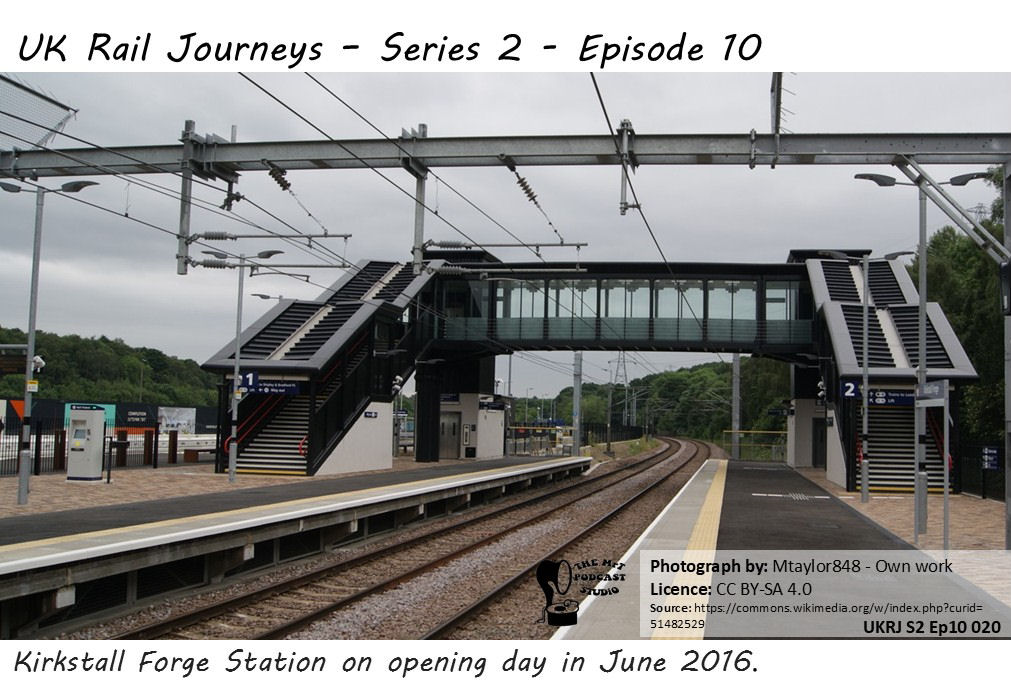
Kirkstall is famous for it’s Abbey, a ruined Cistercian Monastery, and also the once mighty Kirkstall Forge. It operated from the 12th century until closing in 2003. The longest continually used industrial site in the UK manufactured motor vehicle axels and steel bars.

Listen to the podcast to hear about the start of my journey from Leeds to Carlisle.

This podcast is also available through Amazon MusicApple PodcastsCastbox, PodchaserSpotify, YouTube and others.

Music:

AKM Music licenses Steam Railway, Quelled Storm and Thunderbolt for use in this podcast.